Southwestern USA Lieutenancy
About Us
The Equestrian Order of the Holy Sepulchre of Jerusalem is a pontifical order of knighthood charged with supporting the Latin Patriarchate and the Christian presence in the Holy Land. The Southwestern USA Lieutenancy serves members in Arkansas, New Mexico, Oklahoma, and Texas.
Joining the Order means taking on a commitment for life. The commitment to be a Witness to the Faith, to lead an exemplary Christian life of continuing charity in support of the Christian communities in the Holy Land.
About the Order
A Brief History
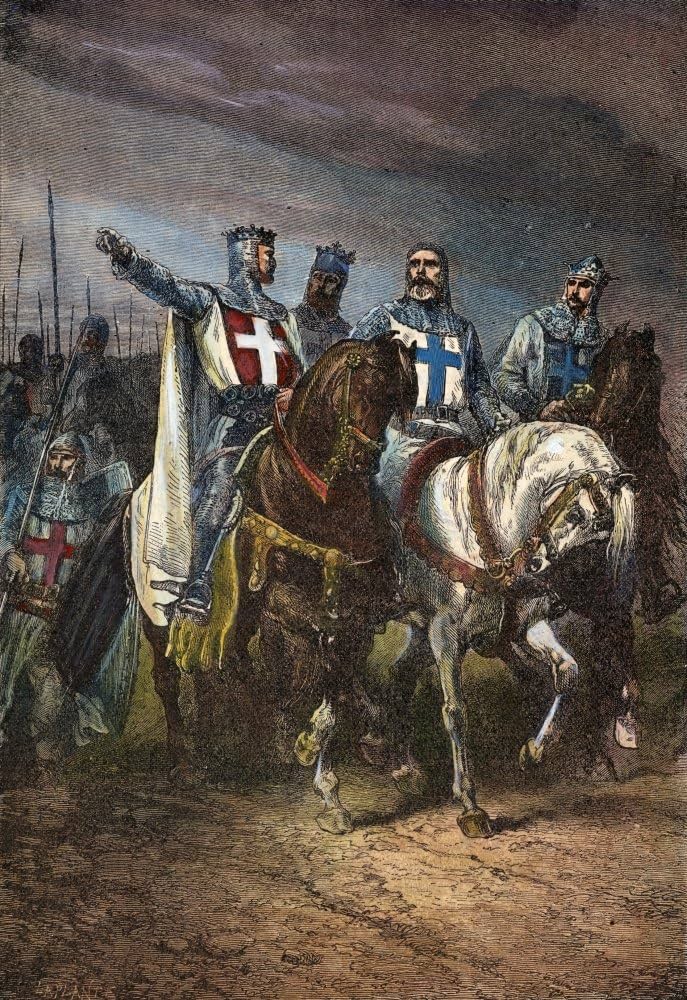
The origins of the Equestrian Order of the Holy Sepulchre of Jerusalem date back to the First Crusade, when its leader, Godfrey de Bouillon, liberated Jerusalem. As part of his operations to organise the religious, military and public bodies of the territories newly freed from Muslim control, he founded the Order of Canons of the Holy Sepulchre. According to accounts of the Crusades, in 1103 the first King of Jerusalem, Baldwin I, assumed the leadership of this canonical order, and reserved the right for himself and his successors (as agents of the Patriarch of Jerusalem) to appoint Knights to it, should the Patriarch be absent or unable to do so.
The Order’s members included not only the Regular Canons (Fratres) but also the Secular Canons (Confratres) and the Sergentes. The latter were armed knights chosen from the crusader troops for their qualities of valour and dedication; they vowed to obey Augustinian Rule of poverty and obedience and undertook specifically, under the command of the King of Jerusalem, to defend the Holy Sepulchre and the Holy Places.
Very soon after the First Crusade the troops, including the Knights of the Order of Canons of the Holy Sepulchre, began to return to their homelands. This led to the creation of priories all over Europe, which were part of the Order as they came under the jurisdiction of the noble knights or prelates who had been invested on the Holy Sepulchre itself and who, although they were no longer in the direct service of the King of Jerusalem, continued to belong to the Order of Canons.
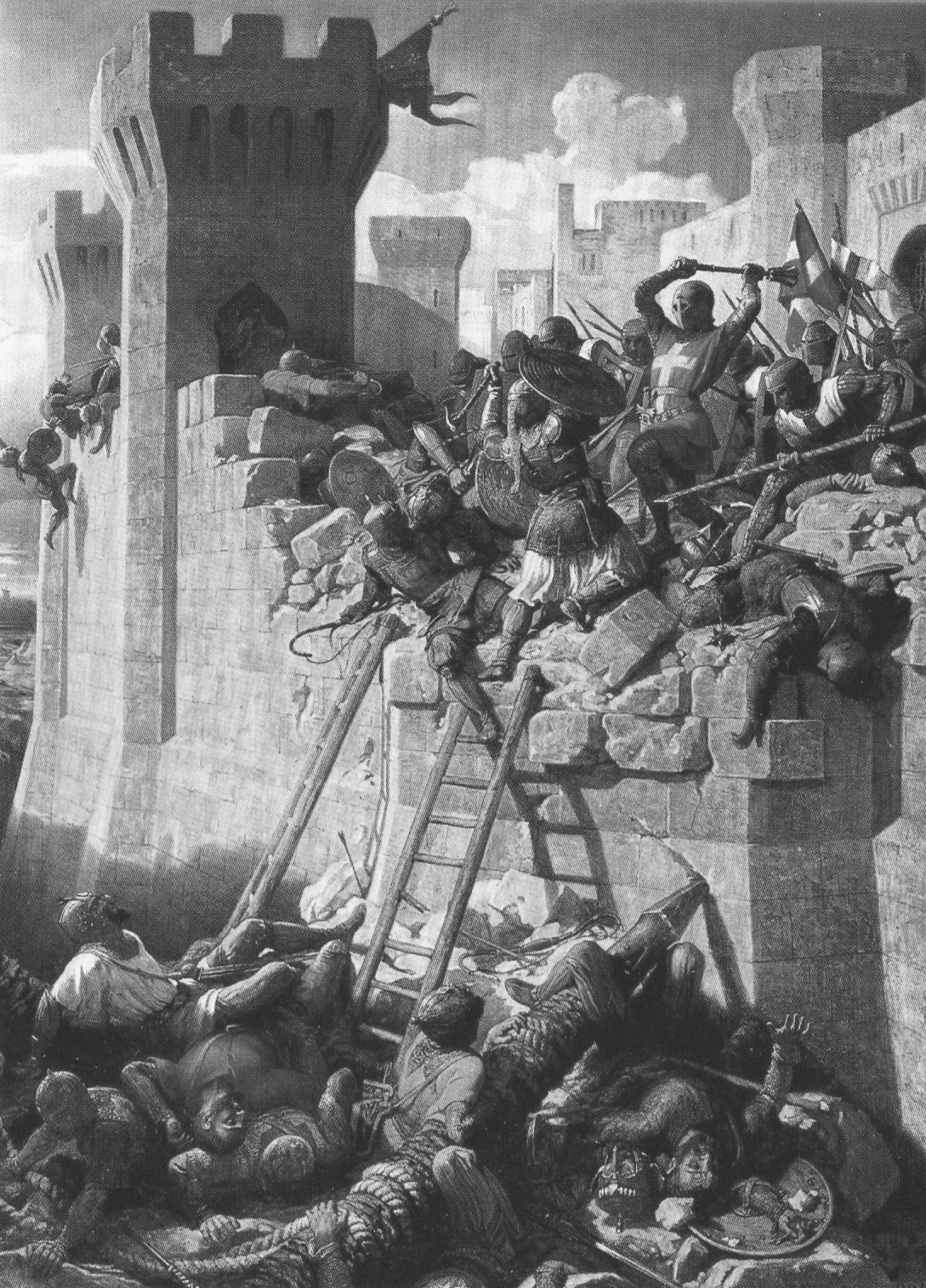
The Order first began to fail as a cohesive military body of knights after Saladin regained Jerusalem in 1182, and completely ceased to exist in that format after the defeat of Acre in 1291. The passing of the Christian Kingdom of Jerusalem left the Order without a leader, though it continued to survive in the European priories thanks to the protection of sovereigns, princes, bishops and the Holy See. The priories kept alive the ideals of the Crusader Knights: propagation of the Faith, defence of the weak, charity towards other human beings. With the exception of events in Spain, it was only rarely that the Knights of the Holy Sepulchre ever took part again in military action to defend Christianity.
In the 14th century, the Holy See made an extremely high payment to the Egyptian Sultan so that he would grant the right to protect the Christian Sanctuaries to the Franciscan Friars Minor. Throughout the whole period of the Latin Patriarchate’s suppression, the right to create new Knights was the prerogative of the representative of the highest Catholic authority in the Holy Land: the Custos.
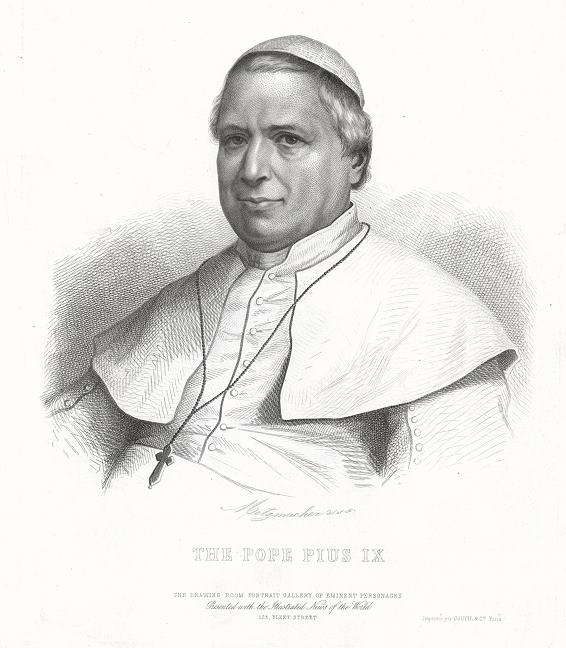
In 1847 the Patriarchate was restored and Pope Pius IX modernised the Order, issuing a new Constitution which placed it under the direct protection of the Holy See and conferred its government to the Latin Patriarch. The Order’s fundamental role was also defined: to uphold the works of the Latin Patriarchate of Jerusalem, whilst preserving the spiritual duty of propagating the Faith.
In 1949, Pius XII decreed that the Grand Master of the Order should be a Cardinal of the Holy Roman Church and assigned the position of Grand Prior to the Patriarch of Jerusalem. In 1962 Pope John XXIII and, in 1967, Pope Paul VI reorganised and revitalised the Order by adding more specific regulations to the Constitution with the intention of making the Order’s activities more co-ordinated and more effective.
In February 1996, the Supreme Pontiff John Paul II enhanced the Order’s status. Today it is a Public Association of faithful with a legal canonical and public personality, constituted by the Holy See under Canon Law 312, paragraph 1:1.
Over and above its historic connotations and its eventful progress in times gone by, the valuable and interesting aspects of the Order today lie in the role assigned to it, which it pursues within the sphere of the Catholic Church and through its administrative structure and its local organisations in various communities.
The Order Today
Purposes
The Order’s aims are:
- To strengthen in its members the practice of Christian life, in absolute fidelity to the Supreme Pontiff and according to the teachings of the Church, observing as its foundation the principles of charity which make the Order a fundamental means of assistance to the Holy Land;
- To sustain and aid the charitable, cultural and social works and institutions of the Catholic Church in the Holy Land, particularly those of and in the Latin Patriarchate of Jerusalem, with which the Order maintains traditional ties;
- To support the preservation and propagation of the Faith in those lands, and promote interest in this work not only among Catholics scattered throughout the world, who are united in charity by the symbol of the Order, but also among all other Christians;
- To uphold the rights of the Catholic Church in the Holy Land.
The Equestrian Order of the Holy Sepulchre of Jerusalem is the only lay institution of the Vatican State charged with the task of providing for the needs of the Latin Patriarchate of Jerusalem and of all the activities and initiatives to support the Christian presence in the Holy Land. The contributions made by its members are therefore the Patriarchal institutions’ main source of funding.
Structure of the Order
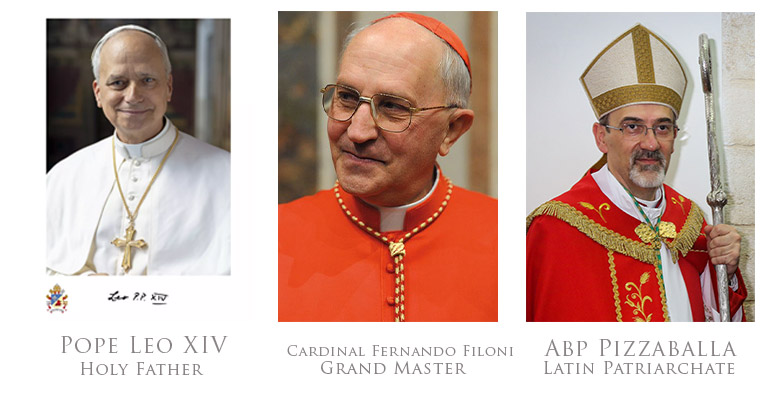
The Order has a definite hierarchy. At the top is the Cardinal Grand Master who is appointed directly by the Holy Father, to lead and govern the Order. The Grand Master is assisted by a consultative body, the Grand Magisterium, whose task is to identify and agree with the Latin Patriarchate of Jerusalem the programmes and action to be undertaken each year to provide for the Christian institutions and communities in the Holy Land, including the operating methods and timescales.
The Presidency of the Grand Magisterium consists of the Governor General, the Vice-Governors General and the Chancellor of the Order: this is the Order’s executive board. The hierarchy then divides into two distinct parts: ecclesiastic and lay. The first, headed by the Chancellor and the Ceremonial Officer, is responsible for the Order’s spiritual development; the second, headed by the Governor General, is responsible for managing the Order. The task of the ecclesiastical hierarchy is to define programmes and events to be put in place to develop Members’ spirituality. The task of the lay hierarchy is to carry out the Order’s social and charitable activities on behalf of the Holy Land.
The Order is subdivided into Lieutenancies, which in turn are divided into Sections. If appropriate, the Sections may be further divided into Delegations. The Lieutenant, Section Heads (Presidi in Italy and Sicily) and Delegates (responsible for the Delegations) are accompanied by a parallel ecclesiastical organisation consisting of Section and Delegation Priors.
All these roles are functional, involving administrative responsibilities; they are not honorary titles. The term of office is four years, which may be renewed, subject always to the holder carrying out his/her tasks correctly and effectively. Suitable candidates for each post are suggested by the immediate superior and submitted to those in higher positions and the Grand Magisterium for final approval.
The Order currently has 52 Lieutenancies: 24 in Europe, 15 in North America and Canada, 5 in Latin America and 6 in Australia and the Far East. At present, the number of active Members is around 23,000. These are the Members who actually practise the life dedicated to service and charity which they promised to uphold when they were admitted to the Order.

In 1986, the Southern Lieutenancy was divided into the Southeastern and Southwestern Lieutenancies, with Washington D.C. and certain states of the Eastern Lieutenancies added to the new Southeastern Lieutenancy.
What it means to be a Member of the Order
Joining the Order means taking on a commitment for life. The commitment to be a Witness to the Faith, to lead an exemplary Christian life of continuing charity in support of the Christian communities in the Holy Land, to practise the true charitable commitment of a Christian.
The purpose of joining the Order is to serve the Catholic Church and to carry out acts of charity to make the operations to maintain the Christian presence in the Holy Land possible. The purpose of joining the Order is not to become a member of a prestigious organisation in order to boast of one’s status or acquire personal benefits and advantages.
Southwestern USA Lieutenancy
Leadership History
Established 1986
Grand Priors
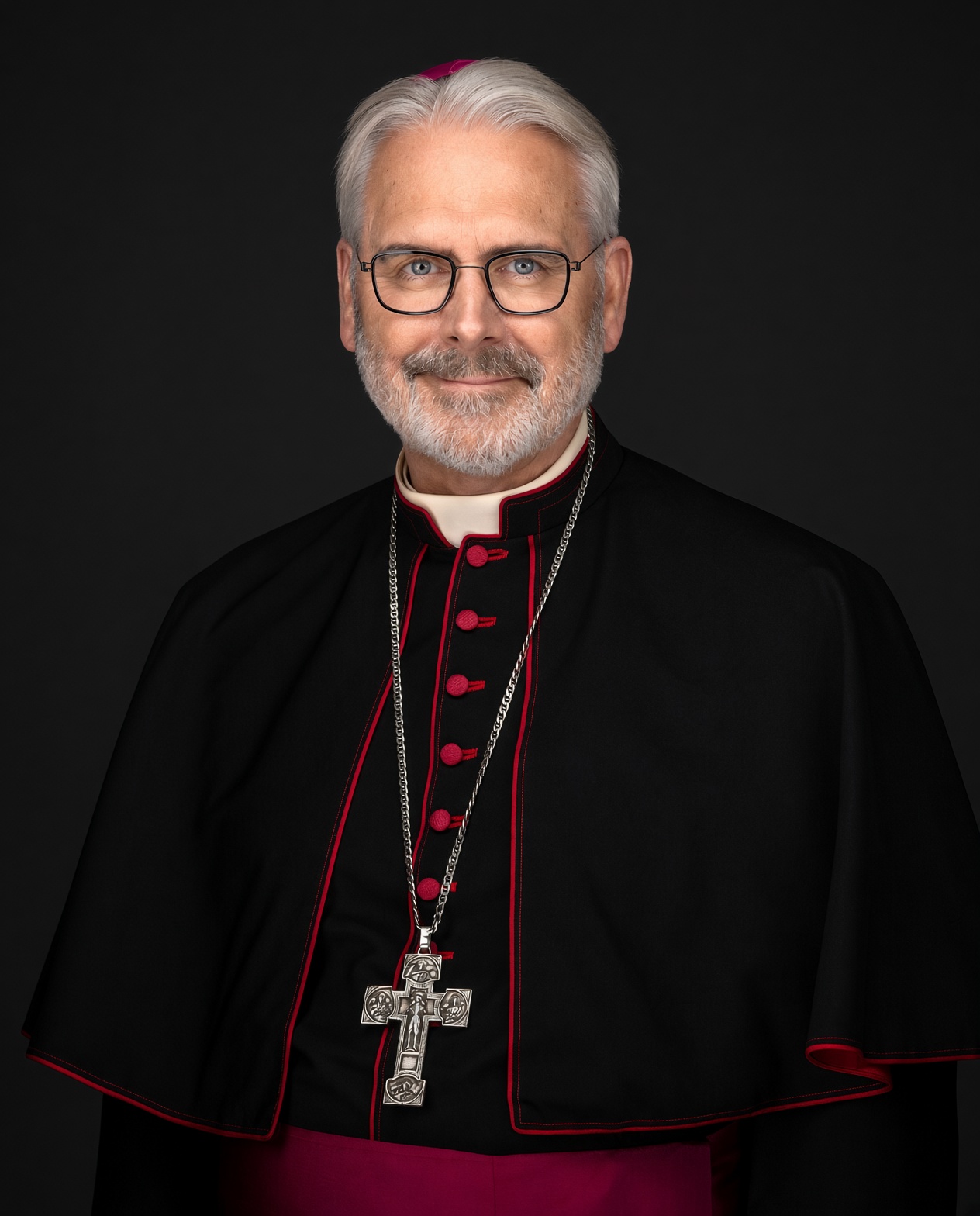
Most Reverend Paul S. Coakley, KC*HS
Grand Prior 2026 – Present
Archbishop of Oklahoma City
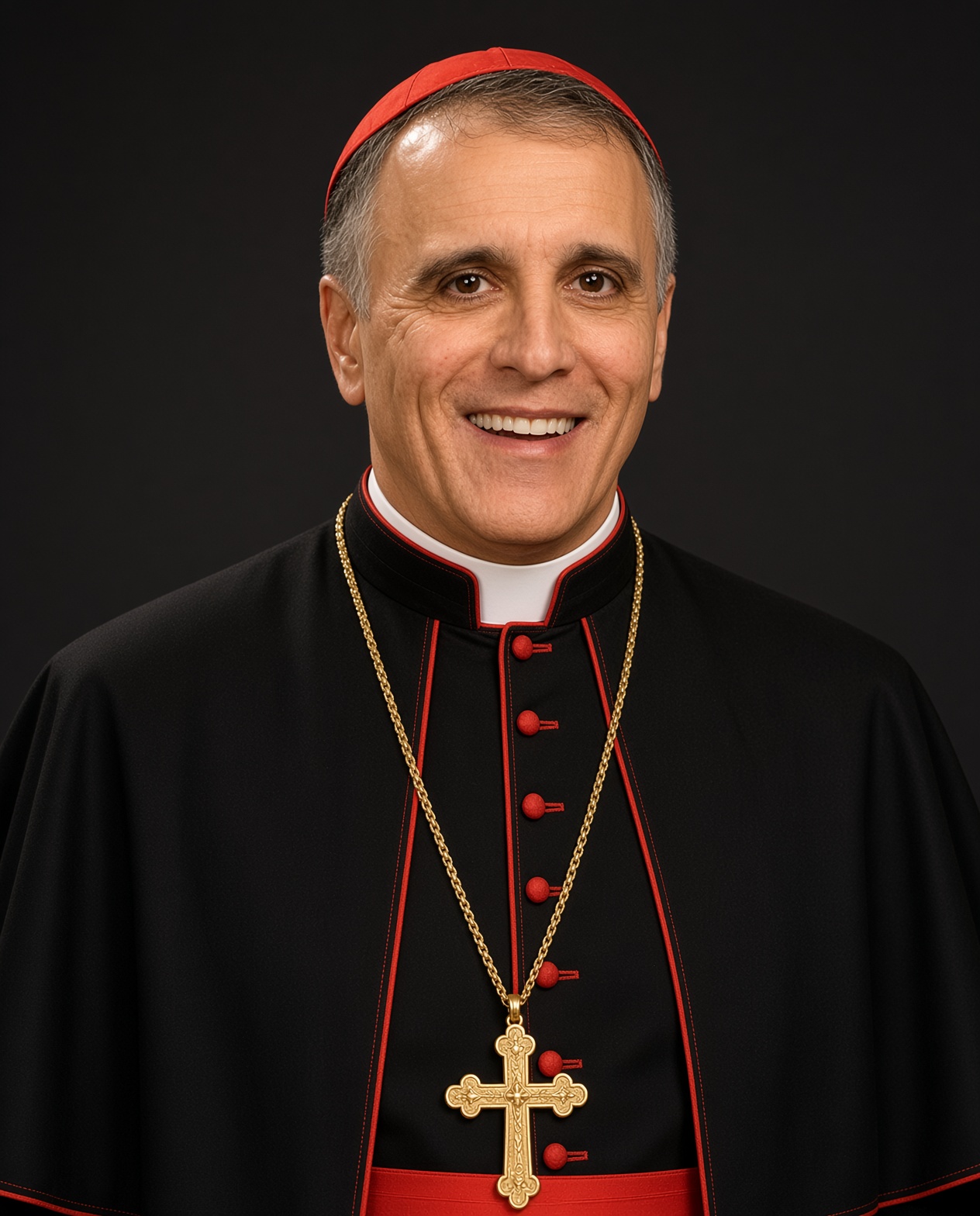
Daniel Cardinal DiNardo, KGCHS
Grand Prior 2005 – 2026
Grand Prior of Honor
Archbishop Emeritus of Galveston-Houston
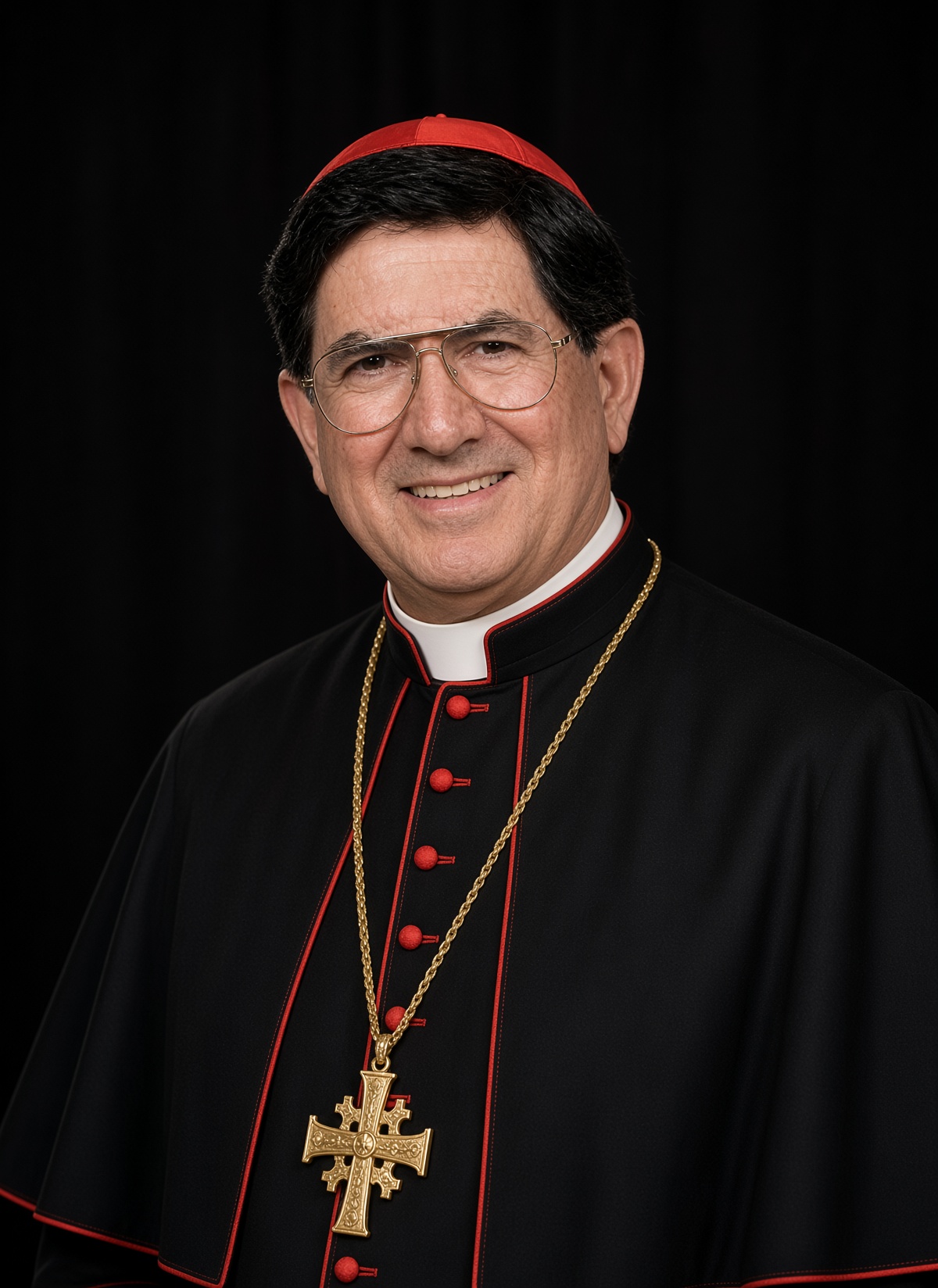
Most Reverend René H. Gracida, KC*HS
Grand Prior 1986 – 2005
Bishop Emeritus of Corpus Christi
Lieutenants
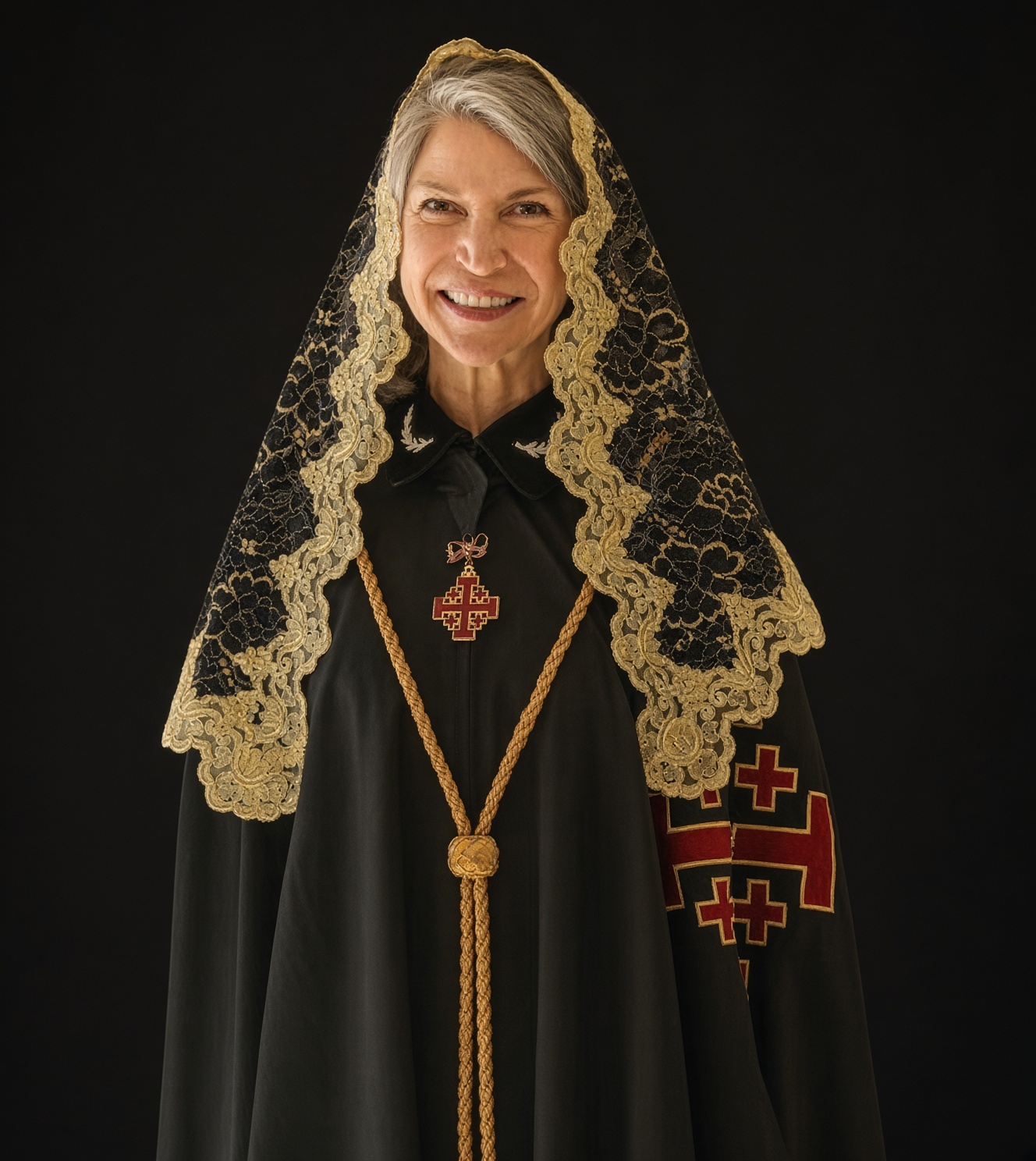
H.E. Lois K. Folger, DGCHS
Lieutenant 2022 – Present
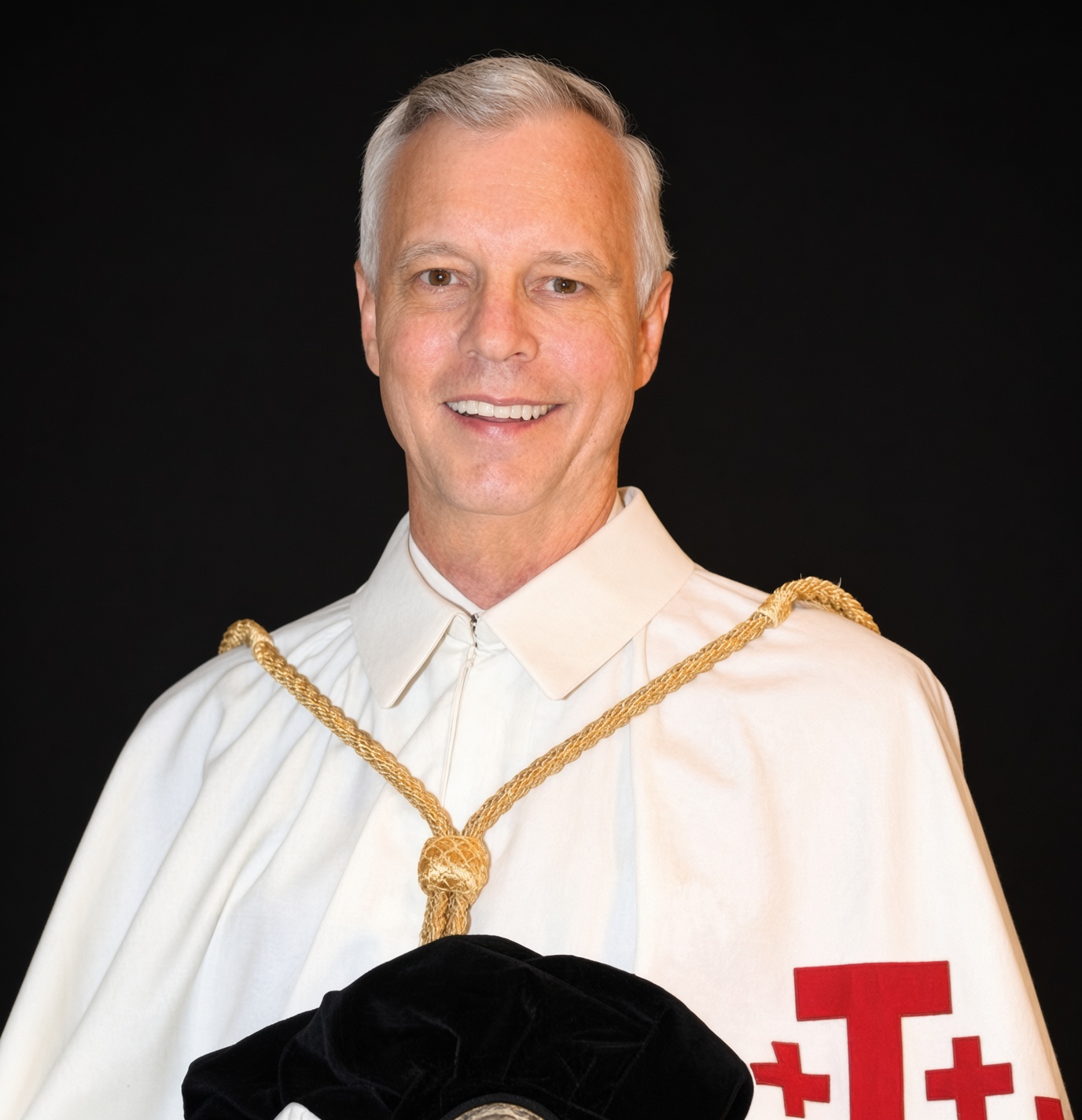
H.E. Thomas R. Standish, KGCHS
Lieutenant 2014 – 2022
Lieutenant of Honor
Member of the Grand Magisterium
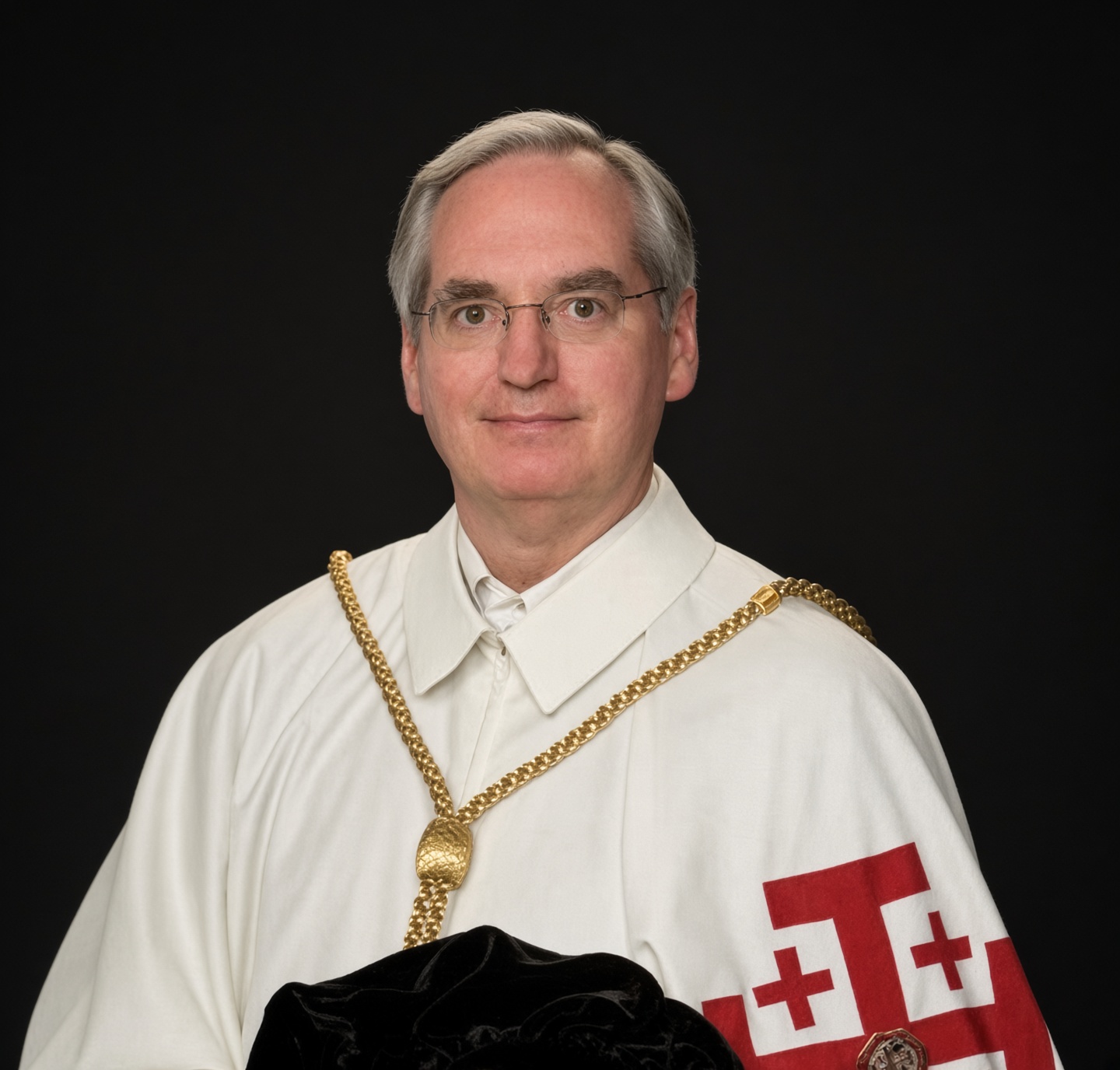
H.E. Dennis M. Malloy, KGCHS
Lieutenant 2006 – 2014
Lieutenant of Honor
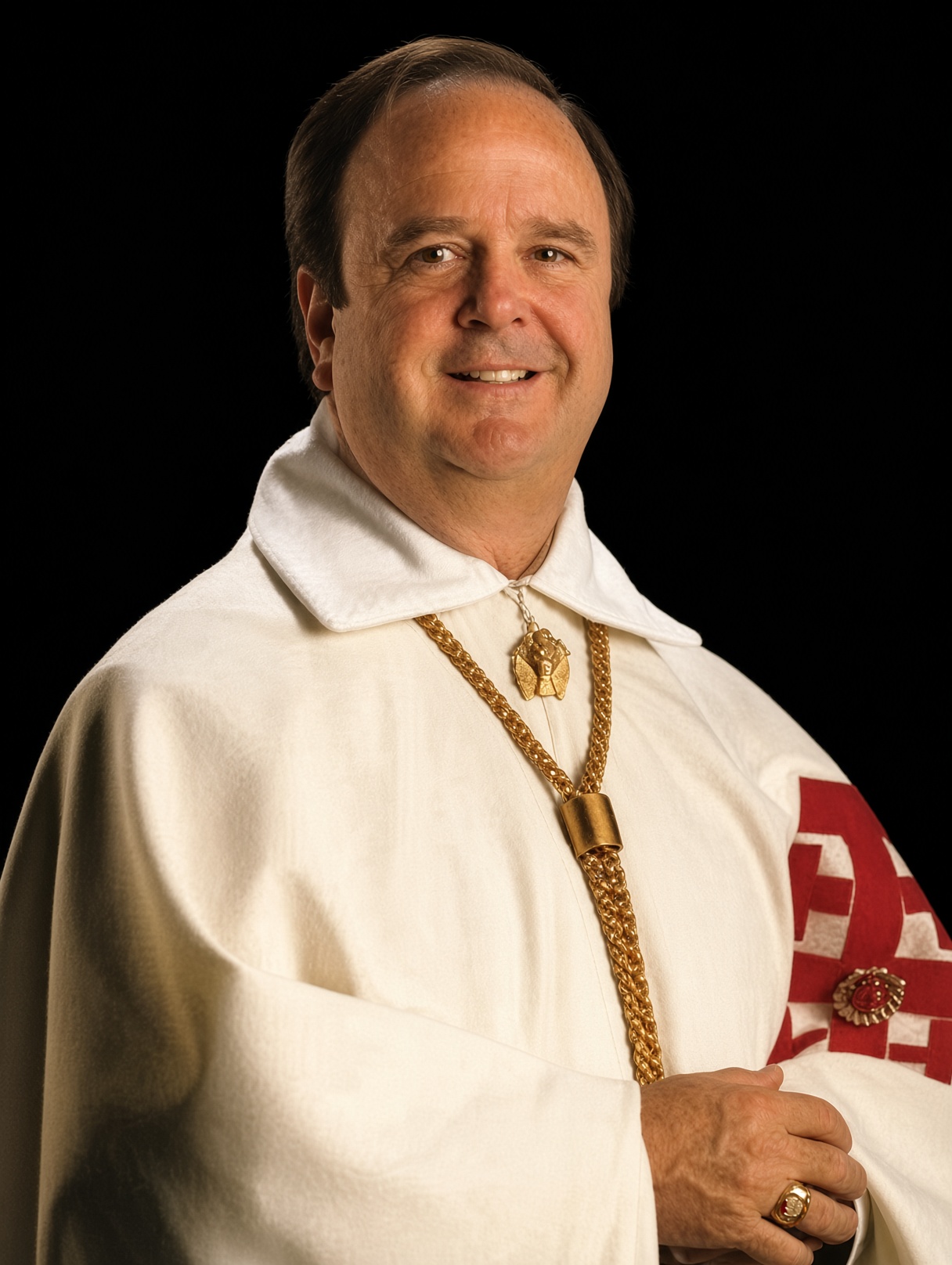
H.E. Michael R. Earthman, KGCHS
Lieutenant 1998 – 2006
Emeritus Member of the Grand Magisterium
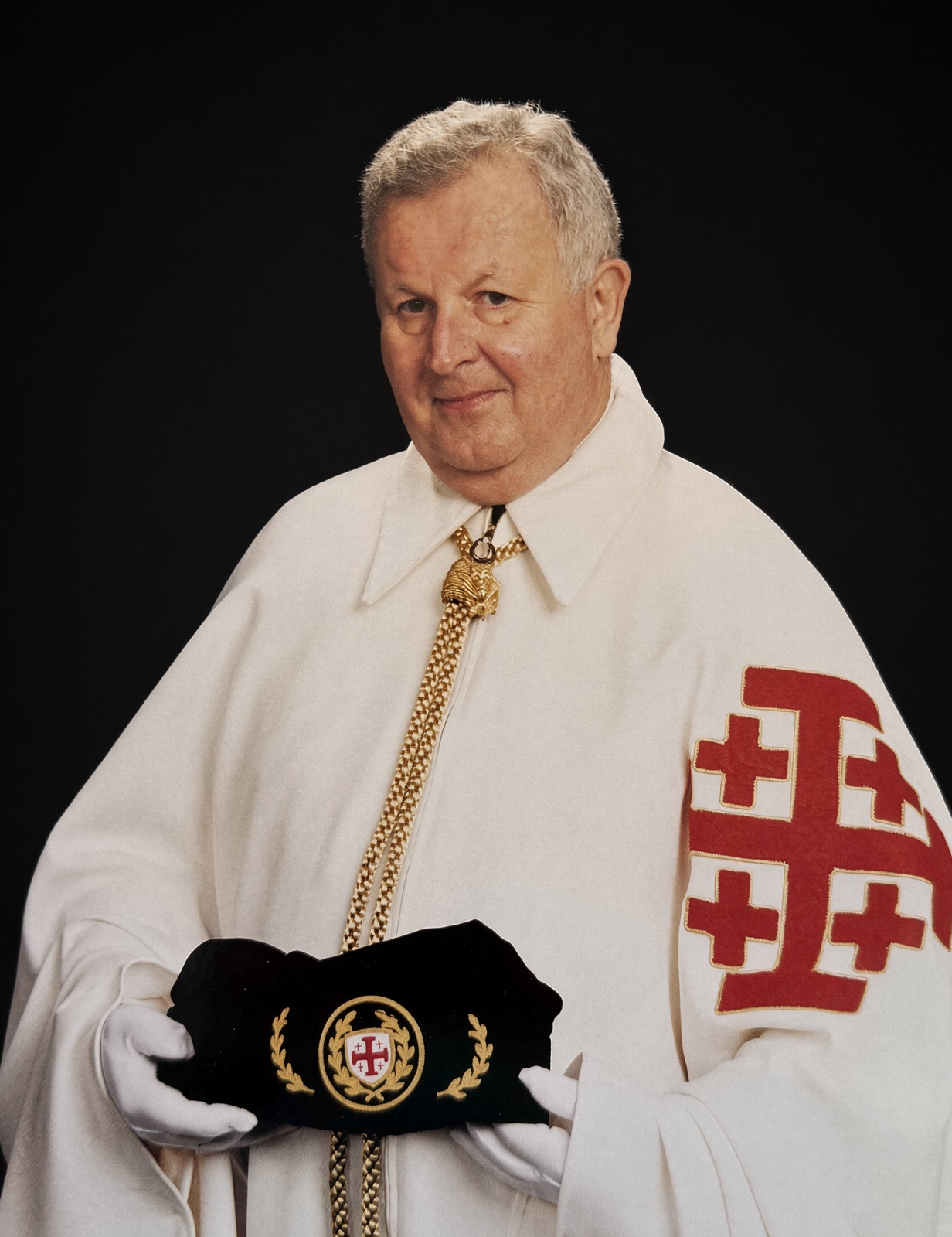
H.E. Albin J. Brezna, KGCHS
Lieutenant 1995 – 1998
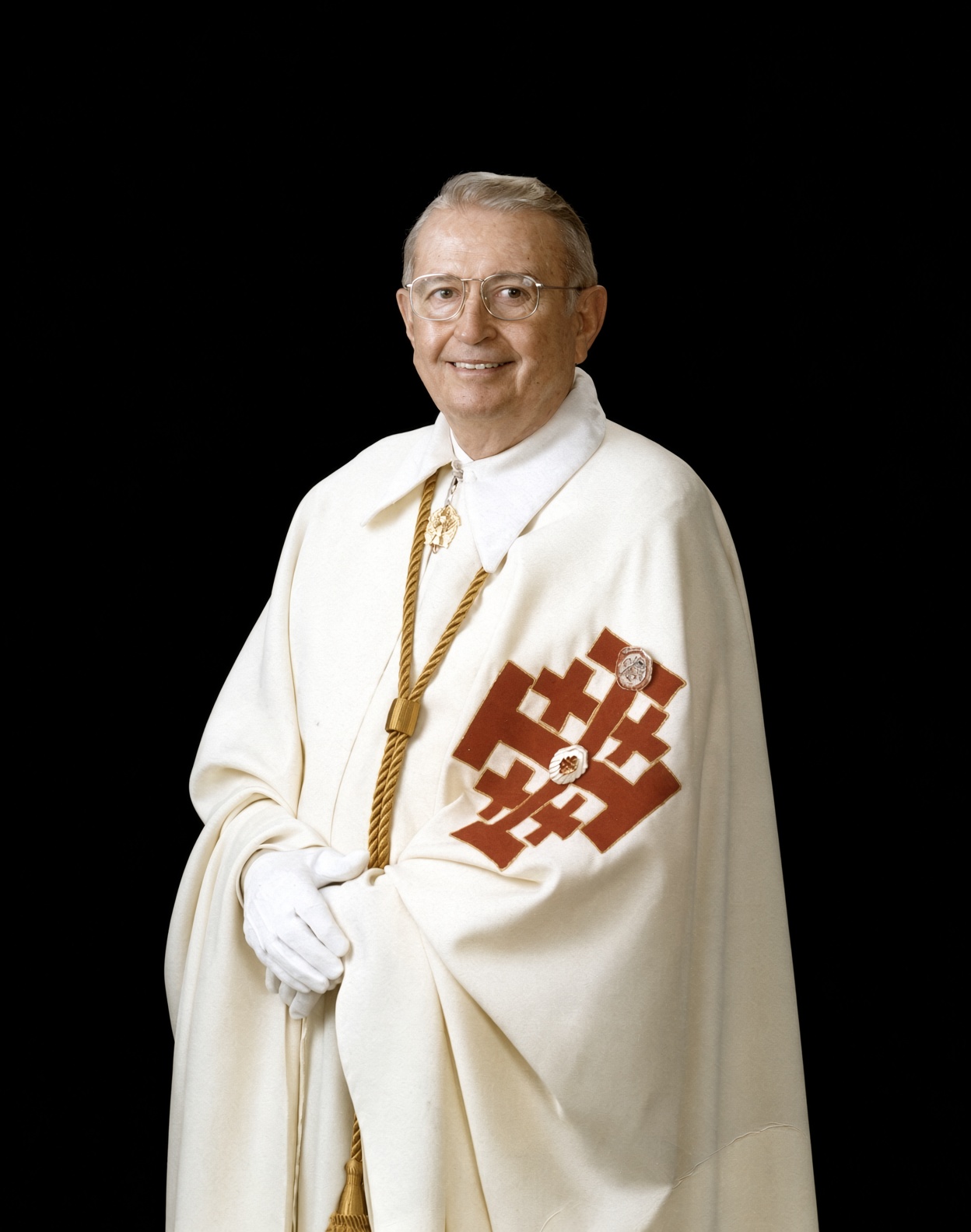
H.E. Andrew J. Layden, KGCHS
Lieutenant 1986 – 1995
Lieutenant of Honor